
When it comes to home maintenance, repainting siding plays a crucial role in not only enhancing the aesthetics of your house but also providing protection against the elements. In this comprehensive guide, we will delve into the importance of repainting siding, different types of siding materials, preparation steps, choosing the right paint and color, and the actual repainting process.
Let's explore how you can revitalize your home's exterior with a fresh coat of paint.
Introduction to Repainting Siding
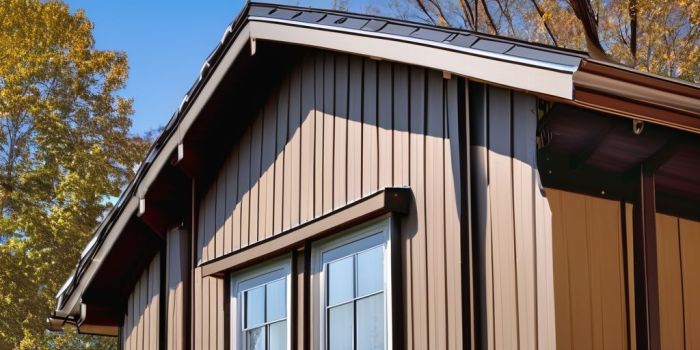
Repainting siding is a crucial aspect of home maintenance to ensure the longevity and appearance of your property. Over time, the paint on siding can fade, chip, or peel due to exposure to the elements, requiring a fresh coat to protect the material underneath.
Repainting siding not only enhances the curb appeal of your home but also provides a protective barrier against moisture, UV rays, and other potential damage. It acts as a shield, preventing water infiltration, rot, and decay, ultimately prolonging the lifespan of the siding material.
Frequency of Repainting
It is recommended to repaint siding every 5-10 years, depending on the type of siding material, climate conditions, and quality of the previous paint job. Regular maintenance and timely repainting can prevent costly repairs and replacements in the future, ensuring the structural integrity and appearance of your home.
Types of Siding Materials
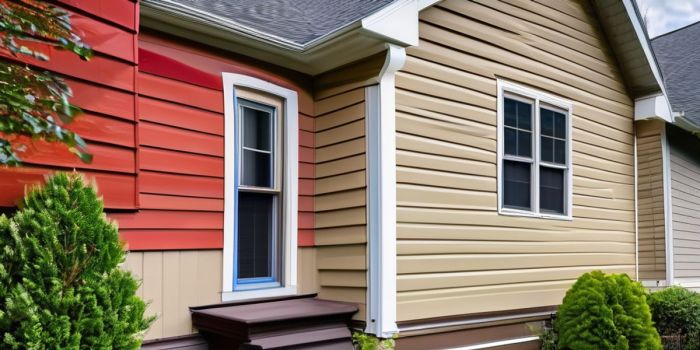
When it comes to repainting siding, the type of material used can significantly impact the process and overall outcome. Different siding materials come with their own set of characteristics, durability, and maintenance requirements. Let's explore some of the most commonly used siding materials in homes and how they affect repainting.
Vinyl Siding
Vinyl siding is a popular choice due to its affordability and low maintenance. When repainting vinyl siding, it is essential to choose the right type of paint that is specifically formulated for vinyl surfaces. Vinyl siding is durable and can withstand harsh weather conditions, but it may require repainting every 5-10 years to maintain its appearance.
Wood Siding
Wood siding offers a natural and classic look to homes but requires more maintenance compared to other materials. When repainting wood siding, it is crucial to properly prepare the surface by cleaning, sanding, and priming to ensure the new paint adheres correctly.
Wood siding needs to be repainted every 3-7 years, depending on the climate and exposure to elements.
Fiber Cement Siding
Fiber cement siding is a durable and low-maintenance option that resembles wood but is more resistant to rot, insects, and fire. Repainting fiber cement siding involves using high-quality exterior paint and following the manufacturer's guidelines for repainting. With proper maintenance, fiber cement siding can retain its color for up to 15 years before needing a fresh coat of paint.
Aluminum Siding
Aluminum siding is known for its durability and resistance to rust and corrosion. When repainting aluminum siding, it is essential to clean the surface thoroughly and apply a suitable primer to ensure the paint adheres properly. Aluminum siding can last for decades with minimal maintenance, but a fresh coat of paint every 5-10 years can help enhance its appearance and protect it from the elements.
Preparing Siding for Repainting
When repainting siding, proper preparation is crucial to ensure a successful and long-lasting paint job. This involves cleaning the siding effectively and repairing any damaged areas before applying new paint.
Steps Involved in Preparing Siding for Repainting
- Start by thoroughly inspecting the siding for any signs of damage, such as cracks, holes, or rot.
- Repair any damaged areas using appropriate materials and techniques to ensure a smooth surface for painting.
- Remove any loose or peeling paint by scraping or sanding the surface to create a clean and even base.
- Clean the siding using a mixture of water and mild detergent to remove dirt, grime, and mildew. Consider using a pressure washer for more stubborn stains.
- Rinse the siding thoroughly with clean water to remove any soap residue and allow it to dry completely before painting.
How to Clean Siding Effectively Before Repainting
Properly cleaning the siding before repainting is essential to ensure good adhesion and a smooth finish. Follow these steps for effective cleaning:
- Start by mixing water and a mild detergent in a bucket.
- Use a soft-bristled brush or a sponge to apply the cleaning solution to the siding.
- Scrub the siding gently, working from top to bottom to avoid streaks.
- Rinse the siding thoroughly with clean water using a garden hose or pressure washer.
- Allow the siding to dry completely before proceeding with the painting process.
The Importance of Repairing Any Damaged Siding Before Repainting
Repairing damaged siding before repainting is crucial for several reasons:
- Prevents further damage: Fixing cracks, holes, or rot in the siding will prevent water infiltration and further deterioration.
- Ensures a smooth surface: Repairing damaged areas will create a level surface for the new paint to adhere to, resulting in a more professional finish.
- Improves durability: Properly repaired siding will help the new paint job last longer and maintain its appearance over time.
Choosing Paint and Color

When repainting siding, selecting the right paint and color are crucial decisions that can greatly impact the overall aesthetics and durability of your home's exterior. Here are some tips to help you make the best choices:
Choosing the Right Paint
- Opt for high-quality exterior paint specifically designed for siding to ensure longevity and resistance to weather elements.
- Consider the type of siding material you have to choose a paint that is compatible and provides the best adhesion.
- Look for paint with mildew-resistant properties to prevent mold and mildew growth on your siding.
- Check the warranty of the paint to ensure it provides sufficient coverage and protection for an extended period.
Factors to Consider for Paint Color
- Take into account the architectural style of your home and the surrounding landscape when selecting a paint color.
- Consider the color of your roof, doors, and windows to ensure a cohesive and harmonious color scheme for your home's exterior.
- Keep in mind the climate of your area and how different colors may affect the temperature inside your home.
- Test the paint colors on a small area of your siding to see how they look in different lighting conditions before making a final decision.
Importance of Using High-Quality Paint
Using high-quality paint is essential for achieving long-lasting results when repainting your siding. High-quality paint offers better adhesion, durability, and protection against fading, peeling, and cracking. While it may come at a higher cost initially, investing in top-tier paint will save you money in the long run by reducing the frequency of repainting and ensuring your home looks beautiful for years to come.
Repainting Process
When it comes to repainting siding, it is crucial to follow a systematic process to ensure a successful and long-lasting finish. Here is a detailed step-by-step guide on how to repaint siding effectively.
Step-by-Step Process
- Clean the surface: Start by cleaning the siding thoroughly to remove dirt, dust, and any existing paint flakes. Use a power washer or a scrub brush with a mixture of water and detergent.
- Repair any damage: Inspect the siding for any cracks, holes, or damage. Fill in these areas with caulk or wood filler and sand them down for a smooth surface.
- Prime the surface: Apply a coat of primer to the siding to ensure better adhesion of the paint and improved durability.
- Paint the siding: Once the primer is dry, apply the paint using a brush, roller, or sprayer. Work in small sections and apply multiple thin coats for a smooth and even finish.
- Allow for drying time: Make sure to let each coat of paint dry completely before applying the next one. Follow the manufacturer's instructions for drying times.
- Clean up: Clean your tools and equipment thoroughly with soap and water after you have finished painting.
Tools and Equipment Needed
- Power washer or scrub brush
- Caulk or wood filler
- Sandpaper
- Primer
- Paint (latex or acrylic recommended for siding)
- Paintbrushes, rollers, or sprayer
- Drop cloths or tarps
- Protective gear (gloves, goggles, mask)
Techniques for a Smooth Finish
- Work in small sections: Avoid painting large areas at once to prevent the paint from drying too quickly.
- Use the right tools: Choose the appropriate brush, roller, or sprayer for the type of siding you have to achieve a smooth finish.
- Apply multiple thin coats: Rather than a single heavy coat, apply several thin coats of paint for a more even and durable finish.
- Follow the grain: When painting wood siding, always follow the natural grain of the wood for a professional look.
- Avoid overbrushing: Be careful not to overwork the paint, as this can lead to streaks and an uneven finish.
Summary
As we conclude our discussion on repainting siding, remember that this simple yet effective maintenance task can truly transform the look and feel of your home. By understanding the benefits, materials, preparation steps, and painting process, you're well-equipped to tackle this project with confidence.
Get ready to give your home a fresh new look with repainted siding!
Question & Answer Hub
How often should siding be repainted?
It is recommended to repaint siding every 5-7 years to maintain its quality and protection.
What factors should I consider when choosing a paint color for siding?
Consider the architectural style of your home, the surrounding environment, and your personal preferences when selecting a paint color for siding.
What tools are needed for repainting siding?
Common tools include a pressure washer, paint scraper, primer, paintbrushes or rollers, and a ladder for reaching higher areas.