
As ipe exterior siding takes center stage, this opening passage beckons readers into a world crafted with good knowledge, ensuring a reading experience that is both absorbing and distinctly original.
Ipe wood, renowned for its durability and natural beauty, is a top choice for exterior siding. Let's dive into the details of this versatile material and explore why it's a popular option for outdoor applications.
Introduction to Ipe Exterior Siding
Ipe exterior siding is a type of wood siding made from the Ipe tree, known for its durability and natural resistance to rot, decay, and insects. This tropical hardwood is native to South America and is prized for its rich, dark brown color and fine grain texture.Using Ipe wood for exterior siding offers numerous benefits.
Its dense nature makes it incredibly durable, able to withstand harsh weather conditions, including extreme heat, cold, and moisture. Ipe wood is also resistant to scratches and dents, maintaining its beauty and integrity over time with minimal maintenance.Ipe wood is a popular choice for outdoor applications due to its longevity and natural beauty.
It is often used in decking, fencing, and siding projects where durability and aesthetics are paramount. The rich color of Ipe wood can add a touch of elegance to any exterior, making it a sought-after material for both residential and commercial properties.
Properties of Ipe Wood
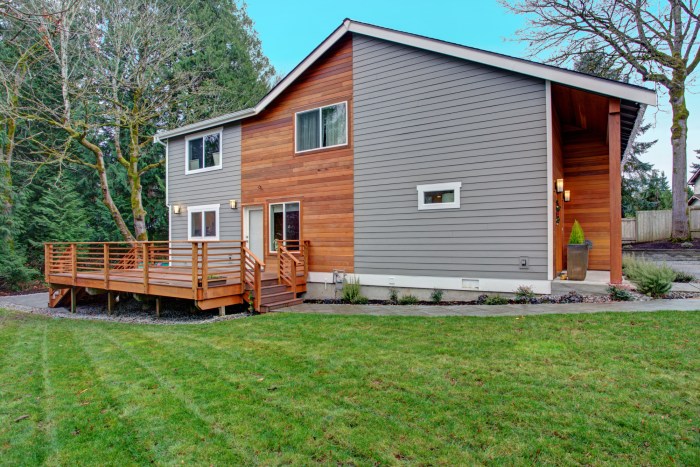
Ipe wood is renowned for its exceptional properties that make it a popular choice for exterior siding. Let's explore the unique characteristics that set Ipe wood apart from other materials.
Durability and Longevity
Ipe wood is incredibly durable and boasts an impressive lifespan. With a Janka hardness rating of around 3,510, Ipe wood is one of the hardest woods available, making it highly resistant to wear and tear. This durability ensures that Ipe wood siding can withstand harsh weather conditions, including heavy rain, snow, and intense sunlight, without warping or deteriorating over time.
Resistance to Rot, Decay, Insects, and Mold
One of the most notable features of Ipe wood is its natural resistance to rot, decay, insects, and mold. Due to its dense grain and natural oils, Ipe wood is inherently resistant to moisture, preventing the growth of mold and fungi.
Additionally, the dense composition of Ipe wood makes it unattractive to insects, such as termites, ensuring that your siding remains intact and free from infestations.Overall, the combination of exceptional durability, longevity, and resistance to external elements makes Ipe wood a superior choice for exterior siding, providing homeowners with a low-maintenance and long-lasting solution for their homes.
Installation of Ipe Exterior Siding
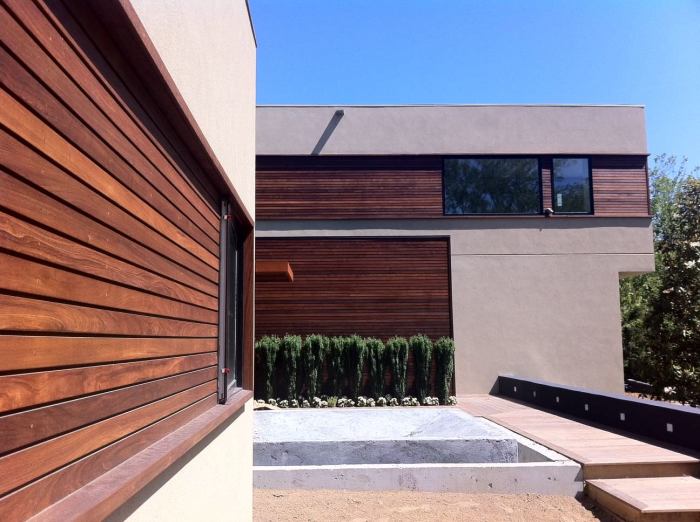
When it comes to installing Ipe exterior siding, following the correct steps is crucial to ensure a durable and visually appealing finish. Proper surface preparation and fastening methods are key to a successful installation process.
Surface Preparation
Before installing Ipe siding, it is essential to prepare the surface properly to ensure longevity and optimal performance. Here are the best practices for preparing the surface:
- Ensure the surface is clean, dry, and free of any debris or dust.
- Inspect the surface for any damage or rot and repair as needed.
- Apply a high-quality primer or sealer to the surface to enhance adhesion and protect against moisture.
- Allow the primer or sealer to dry completely before proceeding with the installation.
Fastening Methods
There are different methods to fasten Ipe wood siding to a structure, each with its own advantages and considerations. Here are the common methods used:
- Face Nailing:In this method, nails are driven through the face of the siding and into the structure. It is a traditional and secure way of fastening Ipe siding, but it may leave visible nail heads.
- Hidden Fastening Systems:These systems involve using clips or fasteners that are not visible from the surface, providing a clean and seamless look. They are ideal for achieving a smooth finish without exposed fasteners.
- Pre-Drilling:Pre-drilling pilot holes before fastening the siding can help prevent splitting and ensure precise placement of nails or screws.
- Adhesive:Using a high-quality construction adhesive in addition to fasteners can provide extra strength and stability, especially in areas prone to high winds or other stress factors.
Maintenance and Care of Ipe Wood Siding
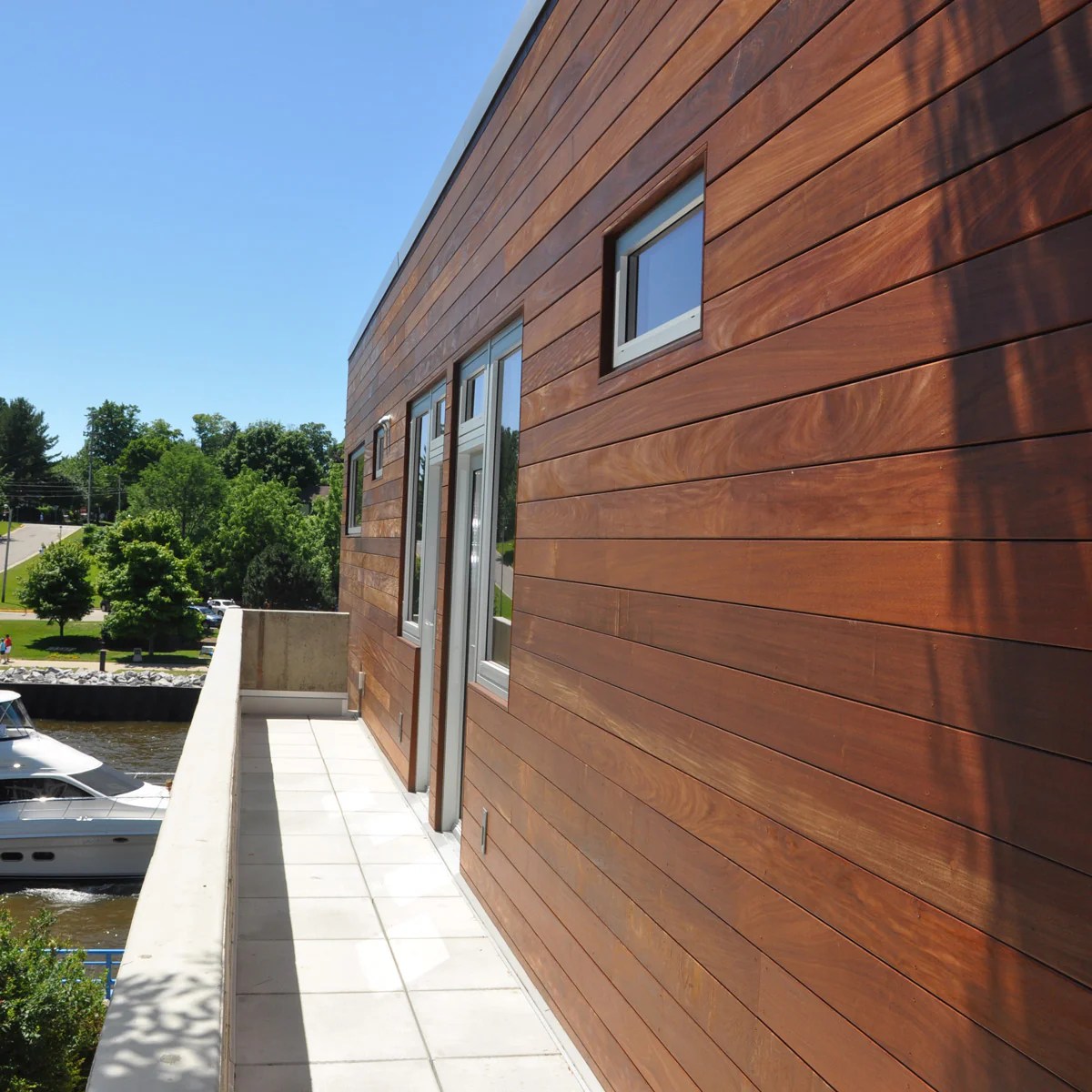
Proper maintenance is essential to preserve the appearance and integrity of Ipe wood siding. By following a regular maintenance schedule and using the right cleaning methods, you can ensure your Ipe siding remains beautiful and durable for years to come.
Maintenance Schedule for Ipe Wood Siding
- Inspect the siding annually for any signs of damage, including cracks, splits, or mold growth.
- Regularly clean the siding to remove dirt, debris, and mildew buildup.
- Apply a fresh coat of UV protective finish every 1-2 years to maintain the natural color of the wood.
- Check for any loose boards or fasteners and repair or replace them as needed.
Recommended Cleaning Methods for Ipe Wood Siding
When cleaning Ipe wood siding, it is important to use gentle methods to avoid damaging the wood fibers. Here are some recommended cleaning methods:
- Mix warm water with a mild soap or detergent and use a soft-bristle brush to scrub the siding.
- Rinse the siding thoroughly with clean water to remove any soap residue.
- Avoid using pressure washers or harsh chemicals, as they can strip the natural oils from the wood.
Protecting Ipe Wood from UV Damage
Ipe wood is naturally resistant to UV damage, but prolonged exposure to sunlight can cause it to gray over time. To protect your Ipe wood siding from UV damage and maintain its natural color, consider the following:
- Apply a UV protective finish that contains pigments to block UV rays and prevent discoloration.
- Regularly clean the siding to remove dirt and debris that can accelerate UV damage.
- Consider applying a clear wood preservative to seal the wood and protect it from the sun's harmful rays.
Cost Considerations and Sustainability
When considering exterior siding options, it is essential to factor in both cost and sustainability. Let's delve into how Ipe wood siding fares in terms of these considerations.
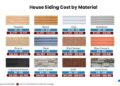
Cost Comparison with Other Siding Materials
One of the primary factors to consider when choosing siding is the cost. While Ipe wood siding may have a higher upfront cost compared to materials like vinyl or fiber cement, it is essential to look at the long-term value it provides.
Ipe wood is known for its durability and longevity, which can result in lower maintenance and replacement costs over time.
- Ipe wood siding may cost more initially, but its durability can lead to long-term cost savings.
- Other siding materials like vinyl or fiber cement may have lower upfront costs but may require more frequent maintenance and replacement.
- The investment in Ipe wood siding can pay off in the long run due to its longevity and minimal maintenance requirements.
Sustainability of Ipe Wood Siding
Another crucial aspect to consider is the sustainability of the chosen siding material. Ipe wood is known for being a sustainable option for exterior siding due to its natural resistance to rot, decay, and insects. This means that Ipe wood siding can last for decades without the need for chemical treatments or frequent replacements, making it an environmentally friendly choice.
- Ipe wood is harvested from responsibly managed forests, ensuring the long-term sustainability of this material.
- The natural durability of Ipe wood eliminates the need for chemical treatments, making it an eco-friendly choice.
- Choosing Ipe wood siding can contribute to a more sustainable and environmentally conscious construction project.
Longevity and Cost-Effectiveness of Ipe Wood Siding
The longevity of Ipe wood siding plays a significant role in its overall cost-effectiveness. Due to its natural resistance to moisture, rot, and insects, Ipe wood siding can outlast many other siding materials, reducing the need for frequent maintenance and replacements.
- The durability of Ipe wood siding can result in long-term cost savings by minimizing maintenance and replacement expenses.
- With proper care and maintenance, Ipe wood siding can retain its beauty and structural integrity for decades.
- The longevity of Ipe wood siding makes it a cost-effective choice in the long run, despite its initial higher cost compared to other materials.
End of Discussion
In conclusion, ipe exterior siding offers a blend of elegance and functionality, making it a smart investment for any property. With its exceptional durability, low maintenance requirements, and timeless appeal, ipe wood siding stands out as a premier choice for enhancing the exterior of your home or building.
Helpful Answers
Is ipe wood siding resistant to insects and mold?
Yes, ipe wood is naturally resistant to insects, mold, rot, and decay, making it an ideal choice for exterior siding in various climates.
What is the recommended maintenance schedule for ipe wood siding?
It is recommended to clean ipe wood siding annually and apply a protective sealant every 1-2 years to maintain its appearance and integrity.
How does the cost of ipe wood siding compare to other siding materials?
While ipe wood siding may have a higher upfront cost, its exceptional durability and longevity make it a cost-effective choice in the long run compared to other materials that require more frequent replacement or maintenance.