
Delving into the world of installing brick siding requires meticulous planning and precise execution. As you embark on this journey, discover the key insights and strategies that will ensure a successful project from start to finish.
Exploring the nuances of proper planning, surface preparation, installation techniques, and finishing touches will equip you with the knowledge needed to transform your space with stunning brick siding.
Planning for Installing Brick Siding
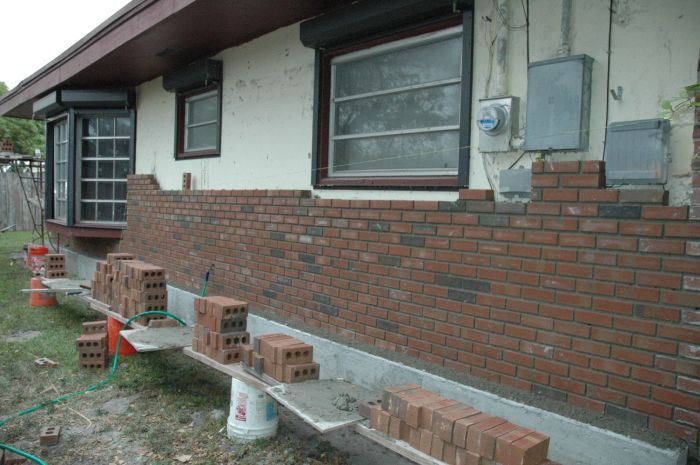
Proper planning is essential before starting the installation of brick siding to ensure a successful and efficient project. Taking the time to plan ahead can help you avoid costly mistakes and delays down the line.
Factors to Consider During the Planning Phase
- Size of the area: Measure the dimensions of the area where the brick siding will be installed to determine the amount of material needed.
- Weather conditions: Consider the climate in your area as extreme temperatures or moisture can affect the installation process.
- Building codes: Check local building codes and regulations to ensure compliance with any requirements for brick siding installation.
- Budget: Determine your budget for the project, including costs for materials, labor, and any additional expenses.
- Color and style: Choose the desired color and style of brick siding that complements the overall look of your home.
Tips on Measuring and Calculating Brick Siding
- Measure the height and width of each wall where brick siding will be installed and calculate the total square footage.
- Account for openings such as doors and windows by subtracting their square footage from the total area.
- Consider ordering extra material to account for any cutting or waste during the installation process.
- Consult with a professional or refer to manufacturer guidelines to determine the amount of mortar needed for the project.
Preparing the Surface for Installation
Before installing brick siding, it is crucial to properly prepare the surface to ensure a successful and long-lasting application. Adequate surface preparation helps in improving adhesion, preventing moisture issues, and enhancing the overall appearance of the brick siding.
Steps for Surface Preparation:
- Clean the Surface: Begin by thoroughly cleaning the surface where the brick siding will be installed. Remove any dirt, dust, grease, or other debris that may hinder the adhesion of the bricks.
- Repair Any Damage: Inspect the surface for any cracks, holes, or other damage. Fill in these imperfections with an appropriate filler or mortar to create a smooth and even surface.
- Priming: Apply a suitable primer to the surface to improve adhesion and promote a strong bond between the wall and the brick siding.
Tools and Materials Required:
- Pressure washer or hose for cleaning
- Scrub brush or broom
- Mild detergent or cleaning solution
- Filler or mortar for repairing damage
- Primer suitable for the surface material
- Paint roller or brush for priming
Installing the Brick Siding
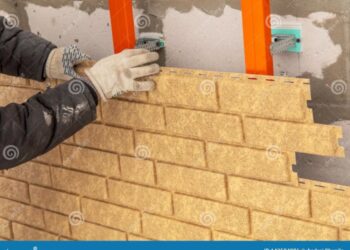
When it comes to installing brick siding, it is important to follow a step-by-step process to ensure a proper and durable finish. Proper alignment, spacing, cutting, and fitting are crucial aspects of the installation process that require attention to detail.
Ensuring Proper Alignment and Spacing
- Start by establishing a level line at the bottom of the area where the brick siding will be installed.
- Use a chalk line to mark vertical reference lines at regular intervals to guide the placement of the bricks.
- Ensure that each row of bricks is level by using a spirit level and adjusting as needed.
- Maintain consistent spacing between bricks using spacers to create a uniform look.
Cutting and Fitting Bricks
- Measure and mark bricks that need to be cut to fit corners, openings, or other irregular areas.
- Use a brick saw or angle grinder with a diamond blade to make precise cuts on the bricks.
- Test-fit the cut bricks before applying mortar to ensure a proper fit.
- Use a brick chisel and hammer to shape bricks as needed for a snug fit.
Finishing Touches and Maintenance
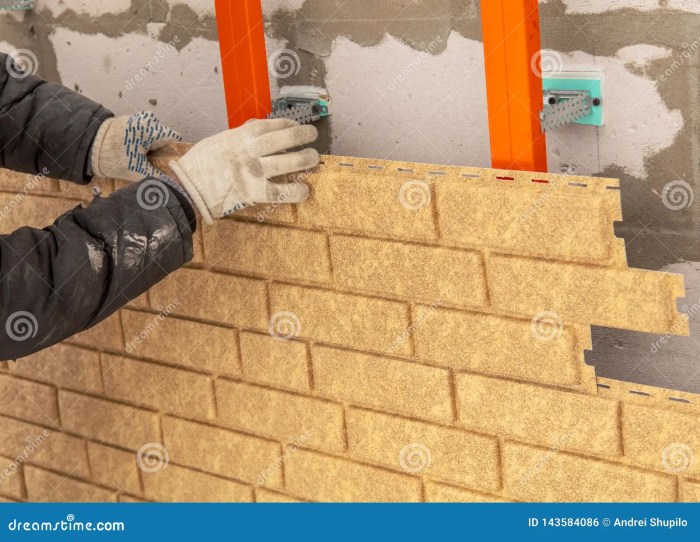
After installing brick siding, it is crucial to focus on finishing touches and regular maintenance to ensure the longevity and durability of the siding. Proper sealing, caulking, and maintenance routines will not only enhance the appearance of your home but also protect the brick siding from damage caused by weather elements.
Sealing and Caulking
Properly sealing and caulking the brick siding is essential to prevent moisture infiltration and maintain the structural integrity of the installation. Here are the steps to seal and caulk the brick siding effectively:
- Inspect the brick siding for any cracks or gaps that need to be filled.
- Use a high-quality silicone or polyurethane caulk to seal any openings between the bricks.
- Apply the caulk in a continuous bead along the joints, ensuring full coverage.
- Smooth out the caulk with a wet finger or caulk tool to create a neat finish.
- Allow the caulk to dry completely before exposing it to moisture.
Maintenance Tips
Proper maintenance is key to prolonging the lifespan of your brick siding and keeping it looking its best. Here are some maintenance tips to follow:
- Regularly inspect the brick siding for any signs of damage, such as cracks, chips, or efflorescence.
- Clean the brick siding with a mixture of water and mild detergent to remove dirt, grime, and stains.
- Avoid using pressure washers on the brick siding, as they can cause damage to the surface.
- Trim any overhanging branches or vegetation that may come in contact with the brick siding to prevent scratches or abrasions.
- Reapply sealant and caulk as needed to maintain the integrity of the brick siding and prevent water infiltration.
Last Word
In conclusion, mastering the art of installing brick siding opens up a world of design possibilities while enhancing the durability and appeal of your property. By following these guidelines and techniques, you can achieve a seamless and long-lasting brick siding installation that will stand the test of time.
Answers to Common Questions
How important is proper planning before installing brick siding?
Proper planning is crucial as it helps in determining the right amount of materials needed and ensures a smooth installation process.
What tools are required for preparing the surface before installing brick siding?
Tools such as a pressure washer, primer, and mortar mix are essential for cleaning and priming the surface.
How can I ensure proper alignment and spacing during brick siding installation?
Using a level and spacing tools will help maintain alignment and spacing for a professional-looking finish.
What maintenance tips can help prolong the lifespan of brick siding?
Regularly inspecting for damage, cleaning with a mild detergent, and resealing the bricks can help extend the lifespan of the siding.