
Embark on a journey through the realm of house plans, where architectural dreams take shape and possibilities are endless. From cozy ranch-style abodes to sleek modern marvels, this is your guide to finding the perfect blueprint for your dream home.
Types of House Plans
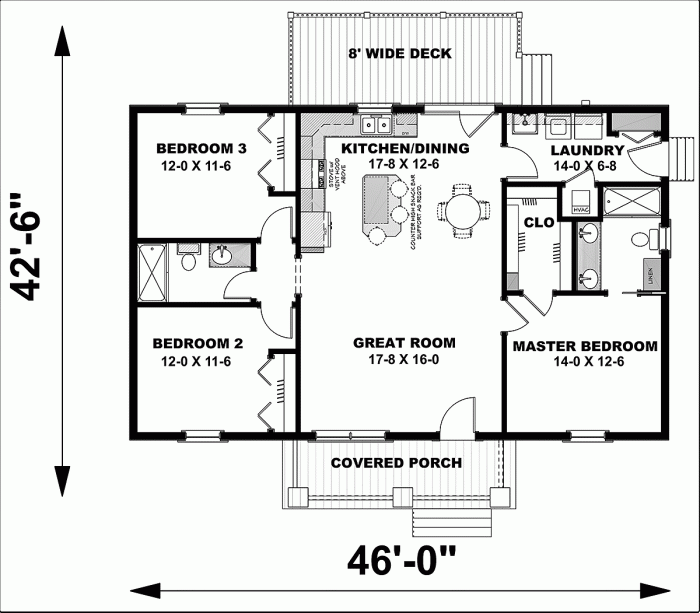
When it comes to house plans, there are various types to choose from, each offering unique features and styles that cater to different preferences and needs.
Ranch House Plans
Ranch house plans are known for their single-story layout, open floor plans, and easy accessibility. They often feature a simple design with a low-pitched roof and a spacious living area.
- Example: The "Traditional Ranch" house plan
- Features: Open floor plan, attached garage, simple exterior
Colonial House Plans
Colonial house plans are characterized by symmetry, with a central entrance and equal number of windows on each side. These houses often feature two or three stories with a formal design.
- Example: The "Georgian Colonial" house plan
- Features: Symmetrical facade, gable roof, decorative columns
Modern House Plans
Modern house plans focus on simplicity, clean lines, and minimalism. These houses often incorporate large windows, open spaces, and innovative design elements.
- Example: The "Mid-Century Modern" house plan
- Features: Flat roof, open floor plan, use of natural materials
Factors to Consider When Choosing House Plans
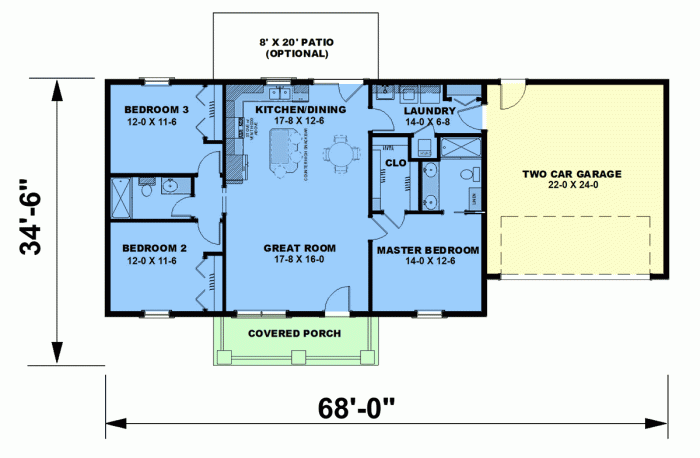
When choosing house plans, it is essential to take into account various factors that can greatly influence the functionality and overall satisfaction with your future home. Factors such as lot size, family size, lifestyle, budget, architectural style, and layout all play a crucial role in determining the most suitable house plan for your needs.
Lot Size, Family Size, and Lifestyle
- Lot Size: Consider the size and shape of your lot when selecting a house plan. Ensure that the chosen plan fits well within the constraints of your property.
- Family Size: Take into account the number of family members and their needs. Choose a plan that provides adequate space and rooms for everyone.
- Lifestyle: Your lifestyle and daily activities should also influence your choice of house plan. Whether you prefer open spaces for entertainment or private areas for relaxation, make sure the plan aligns with your lifestyle.
Architectural Style and Layout
- Architectural Style: Different architectural styles have unique characteristics and features. Consider your personal preferences and the overall aesthetic you wish to achieve when selecting a house plan.
- Layout: The layout of a house plan can greatly impact the functionality and flow of the space. Choose a layout that suits your daily routines and activities, providing convenience and comfort.
Tips for Customization
- Consult with a professional architect or designer to make customizations to a chosen house plan that better suit your needs and preferences.
- Consider adding or removing rooms, changing room sizes, or modifying the layout to create a personalized living space.
- Ensure that any customization aligns with local building codes and regulations to avoid any complications during construction.
Components of a House Plan
When it comes to creating a house plan, there are several key components that play a crucial role in the design and construction process. These components provide detailed information and guidelines for builders, architects, and homeowners to follow during the construction phase.
Floor Plans
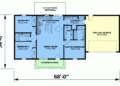
Floor plans are one of the most important components of a house plan as they provide a bird's eye view of the layout of the house. They Artikel the placement of rooms, doors, windows, walls, and other structural elements. Floor plans help in visualizing the flow of the space and how each room connects to the other.
Elevations
Elevations are drawings that show the exterior view of the house from all sides. They provide information on the height, shape, and design elements of the building. Elevations help in understanding the overall look and aesthetic appeal of the house.
Sections
Sections are vertical cut-through drawings that show the internal structure of the house. They provide details on the wall thickness, ceiling height, and the placement of beams and columns. Sections help in understanding the internal layout and structural integrity of the house.
Details
Details are specific drawings that provide information on the construction and design elements of the house. They include specifications on materials, finishes, and other important aspects like plumbing and electrical layouts. Details ensure that the construction is done accurately and according to the design plan.
Designing and Customizing House Plans
Creating a custom house plan from scratch allows homeowners to tailor every aspect of their future residence to their specific needs and preferences. This process involves working closely with architects or designers to bring your vision to life.
Designing a Custom House Plan
Designing a custom house plan involves several key steps:
- Initial consultation: Discuss your requirements, budget, and preferences with the architect or designer.
- Schematic design: Create a rough layout of the floor plan and exterior design based on your input.
- Design development: Refine the floor plan, elevations, and other details to meet your expectations.
- Construction documents: Produce detailed drawings and specifications for the construction phase.
- Permitting and construction: Obtain necessary approvals and oversee the building process.
Modifying Existing House Plans
Modifying existing house plans is a cost-effective way to customize a home to suit your needs. Here are some tips for making modifications:
- Identify your requirements: Determine what changes are necessary to meet your needs.
- Consult a professional: Work with an architect or designer to ensure that modifications are structurally sound.
- Consider the budget: Be mindful of the cost implications of making changes to an existing plan.
- Review the final design: Before proceeding with modifications, carefully review the revised plan to ensure it meets your specifications.
Working with Architects or Designers
Collaborating with architects or designers is crucial in creating personalized house plans. Here's how to make the most of this partnership:
- Clearly communicate your vision: Provide detailed information about your lifestyle, preferences, and requirements.
- Be open to suggestions: Professionals may offer valuable insights and solutions you hadn't considered.
- Review the design progress: Regularly check in with the architect or designer to ensure the plan aligns with your vision.
- Finalize the details: Before finalizing the plan, make sure all aspects meet your expectations and requirements.
Outcome Summary
As we wrap up our exploration of house plans, remember that your home is a reflection of your unique style and needs. With the right plan in hand, your dream home is closer than you think. Start building your future today.
Q&A
Can I customize a house plan to fit my specific needs?
Yes, many house plans can be customized to accommodate individual preferences and requirements. It's important to work with a designer or architect to ensure the modifications are feasible.
What factors should I consider when choosing a house plan?
Consider factors such as lot size, family size, lifestyle, and budget. These elements play a crucial role in selecting a house plan that suits your needs.
How do architectural style and layout impact the choice of house plans?
The architectural style and layout determine the overall look and feel of a house. It's essential to choose a style that aligns with your aesthetic preferences and functional requirements.