
Embark on a journey to explore the cost implications of siding a house with vinyl. From factors influencing pricing to cost-saving tips, this guide covers it all.
Learn about the comparisons with other siding materials and how to estimate costs accurately for your vinyl siding project.
Cost Factors for Siding a House with Vinyl
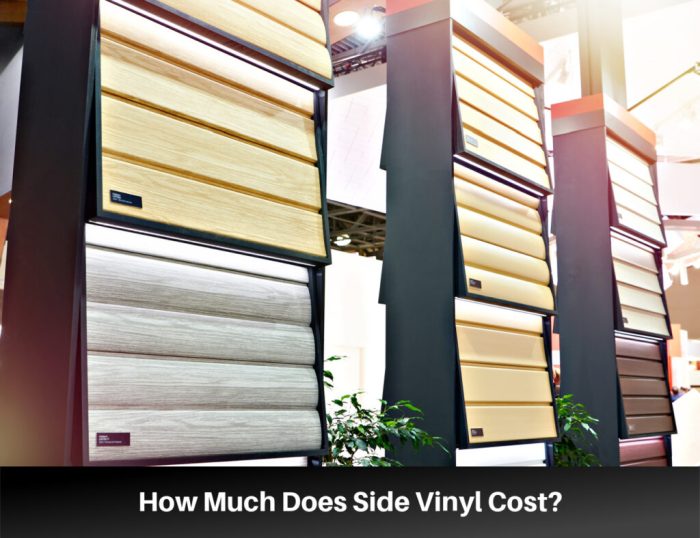
When considering the cost of siding a house with vinyl, several key factors come into play. These factors can significantly impact the overall cost and should be carefully considered before starting the project.
Size of the House
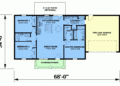
The size of the house is one of the most significant factors that affect the cost of siding with vinyl. Larger houses will naturally require more materials, resulting in higher costs. For example, a small one-story ranch-style house will cost less to side with vinyl compared to a two-story colonial-style house.
Quality of Vinyl
The quality of the vinyl used for siding is another crucial factor in determining the cost. Higher-quality vinyl materials will generally cost more upfront but may require less maintenance and last longer, potentially saving money in the long run. Cheaper vinyl may be more affordable initially, but it could lead to higher maintenance costs over time.
Labor Costs
Labor costs for siding installation vary depending on the complexity of the job, location, and the experience of the contractors. More experienced and reputable contractors may charge higher rates for their services. It's essential to factor in labor costs when budgeting for vinyl siding installation.
Additional Materials
In addition to the vinyl siding material itself, there are other materials needed for the installation process. This includes insulation, house wrap, trim pieces, and any additional accessories. These extra materials can add to the overall cost of the project and should be included in the budget.Overall, when considering the cost of siding a house with vinyl, it's essential to take into account the size of the house, the quality of the vinyl, labor costs, and any additional materials required.
By understanding these key cost factors, homeowners can better estimate the total cost of the project and plan accordingly.
Comparison: Vinyl Siding vs. Other Siding Materials
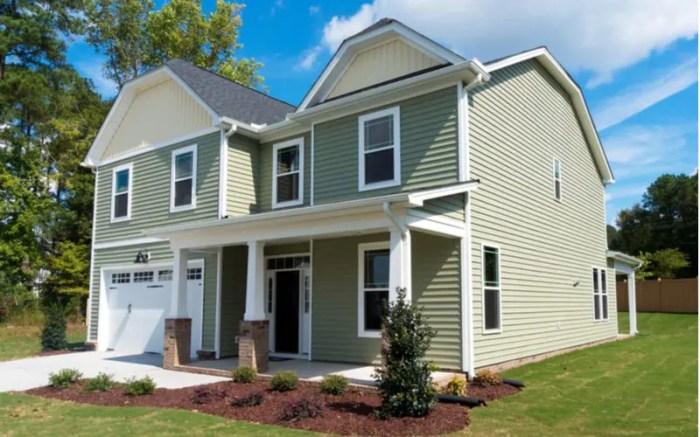
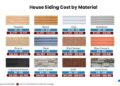
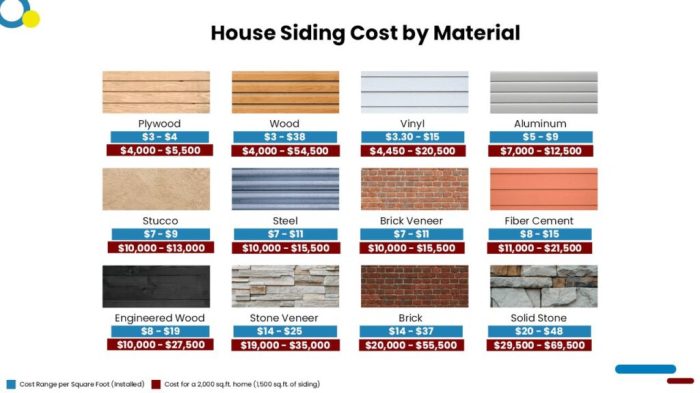
When considering the cost of siding a house, it's essential to compare vinyl siding with other popular options like wood, fiber cement, or metal. Each material has its own advantages and drawbacks that can impact the overall cost-effectiveness of your siding choice.Vinyl siding is known for its affordability compared to other materials.
It is generally more cost-effective in terms of initial installation costs, as it is typically cheaper to purchase and install. Additionally, vinyl siding requires minimal maintenance over time, which can save you money on upkeep and repairs.
Longevity and Maintenance
- Vinyl siding is durable and can last for decades with proper care, reducing the need for frequent replacements.
- Wood siding may require more maintenance, such as regular painting or staining, to prevent rot and decay.
- Fiber cement siding is also durable but may require periodic repainting to maintain its appearance.
- Metal siding is long-lasting but can be prone to rust and corrosion if not properly maintained.
Initial Installation Costs
- Vinyl siding is generally more affordable to install compared to wood, fiber cement, or metal siding.
- Wood siding can be more expensive due to the higher cost of materials and labor for installation.
- Fiber cement siding falls in the mid-range in terms of installation costs, with a balance between affordability and durability.
- Metal siding installation costs can vary depending on the type of metal used, but it is generally more expensive than vinyl siding.
Pros and Cons of Vinyl Siding
- Pros:Affordable, low maintenance, durable, versatile in design options, and resistant to rot and insects.
- Cons:Can crack in extreme weather conditions, limited color options for painting, may fade over time, and not as environmentally friendly as other materials.
Cost-Saving Tips for Siding a House with Vinyl
When it comes to siding a house with vinyl, there are several cost-saving tips and tricks that homeowners can take advantage of to reduce overall expenses. Whether through DIY options, discounts, or proper maintenance, there are ways to make the process more budget-friendly.
Consider DIY Installation
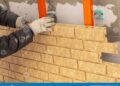
For those who are handy and willing to put in the work, opting for a DIY installation can significantly cut down on labor costs. However, it is crucial to have the necessary skills and tools to ensure a proper and secure installation.
Make sure to follow manufacturer instructions carefully to avoid any costly mistakes.
Look for Discounts and Rebates
Many manufacturers or suppliers offer discounts or rebates on vinyl siding, especially during certain times of the year. Keep an eye out for promotions or sales that can help lower the overall cost of materials. Additionally, some energy-efficient siding options may qualify for rebates or tax incentives, providing additional savings.
Proper Maintenance for Long-Term Savings
Regular maintenance of your vinyl siding can help extend its lifespan and prevent costly repairs or replacements down the road. Simple tasks such as cleaning the siding, inspecting for damage, and addressing any issues promptly can help maintain the integrity of the material and avoid unnecessary expenses in the future.
Cost Estimation Methods for Vinyl Siding Projects
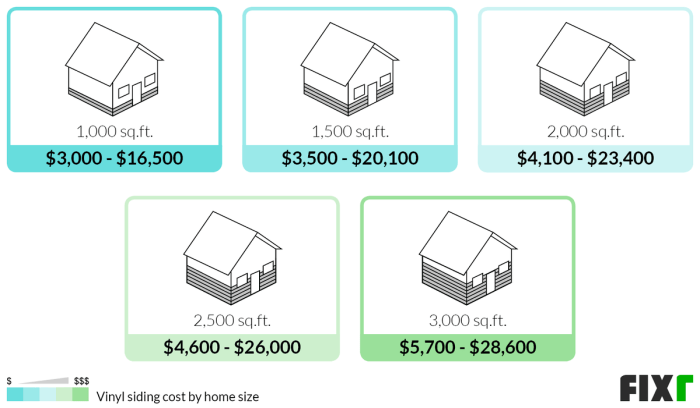
When it comes to estimating the cost of siding a house with vinyl, there are several methods that homeowners can use to ensure they are getting a fair price for the project. Obtaining quotes from multiple contractors and calculating the cost based on specific needs are crucial steps in the process.
Obtaining Multiple Quotes
One of the most important steps in estimating the cost of vinyl siding for your house is to obtain quotes from multiple contractors. This allows you to compare prices, services offered, and the quality of workmanship before making a decision.
Evaluating Estimates
When evaluating estimates from different contractors, it's essential to look beyond the price tag. Consider the materials used, the scope of work included, warranties offered, and the reputation of the contractor. A lower price may not always mean a better deal if it compromises on quality.
Calculating Costs for Specific Needs
Homeowners can calculate the cost of vinyl siding for their specific needs by following these steps:
- Measure the square footage of your house that needs to be sided.
- Determine the type and quality of vinyl siding you want to use.
- Consider additional costs for insulation, trim, and other accessories.
- Add labor costs based on estimates from contractors or industry standards.
- Factor in any permits or fees required for the project.
Formula: Total Cost = (Square Footage x Price per Square Foot) + Additional Costs + Labor Costs + Permit Fees
Closing Summary
In conclusion, understanding the costs associated with vinyl siding is crucial for homeowners. By following the tips and insights provided, you can make informed decisions for your home improvement projects.
FAQ Summary
What factors influence the cost of siding a house with vinyl?
The size of the house, quality of vinyl, labor costs, and additional materials all play a role in determining the overall cost.
How does vinyl siding compare to other materials in terms of cost-effectiveness?
Vinyl siding is often more cost-effective in terms of longevity, maintenance, and initial installation costs compared to materials like wood or fiber cement.
Are there any cost-saving tips for siding a house with vinyl?
Homeowners can save on costs by exploring DIY options, taking advantage of discounts, and ensuring proper maintenance of their vinyl siding.
How can homeowners accurately estimate the cost of a vinyl siding project?
Obtaining quotes from multiple contractors and calculating the specific needs of the project are essential steps in estimating the cost of vinyl siding.