
With menu design at the forefront, this paragraph opens a window to an amazing start and intrigue, inviting readers to embark on a storytelling filled with unexpected twists and insights. Menu design is not just about aesthetics but also about enhancing the overall dining experience.
From impacting customer choices to setting the tone of a restaurant, the design of a menu plays a crucial role in the success of any establishment. Let's dive into the world of menu design and explore the key elements that make it truly captivating.
In this guide, we will delve into the importance of menu design, different types of designs, best practices for layout, current trends, and what the future holds for this essential aspect of the dining industry.
Importance of Menu Design
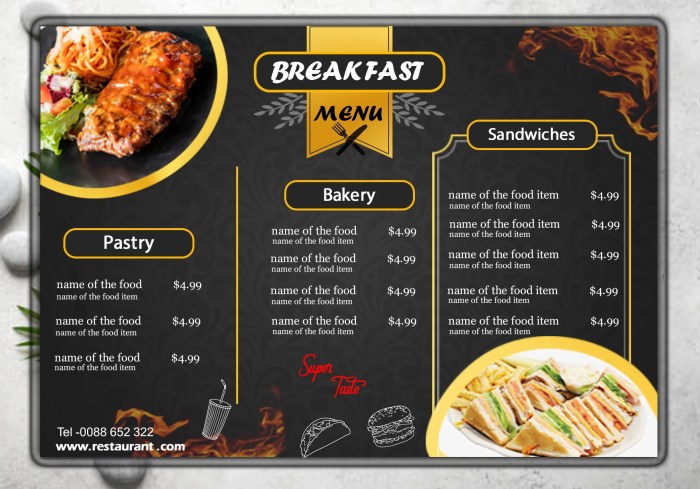
Menu design plays a crucial role in shaping the overall customer dining experience. It is the first point of contact between the customer and the restaurant, setting the tone for their meal. A well-designed menu can enhance the dining experience, influence customer choices, and even increase revenue.
Key Elements for Visual Appeal
When it comes to creating a visually appealing menu, several key elements come into play:
- Color scheme: Colors should be carefully chosen to evoke the right mood and reflect the restaurant's brand.
- Typography: Fonts should be easy to read, consistent, and align with the restaurant's theme.
- Imagery: High-quality images of dishes can stimulate appetite and entice customers to order.
- Whitespace: Proper spacing between items and sections can improve readability and overall aesthetics.
Influence of Menu Layout
The layout of a menu can significantly impact customer ordering behavior:
- Placement of high-profit items: Strategic placement of high-margin dishes can encourage customers to choose them.
- Grouping and categorization: Organizing items into categories can help customers navigate the menu more easily and make decisions faster.
- Highlighting specials: Drawing attention to daily specials or chef's recommendations can increase their visibility and sales.
- Call-to-action: Including persuasive language or symbols can prompt customers to try new dishes or upgrade their orders.
Types of Menu Designs
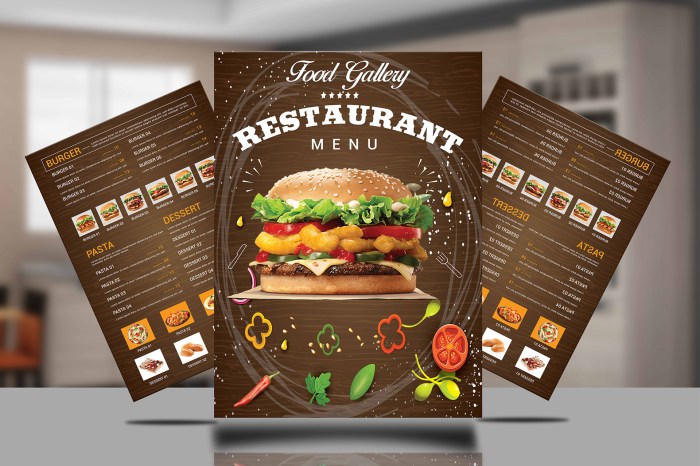
When it comes to menu designs, there are various styles that establishments can choose from to showcase their offerings. Let's explore different types of menu designs and how they are utilized in the restaurant industry.
Chalkboard Menu Design
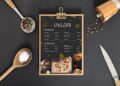
A chalkboard menu design is a popular choice for establishments going for a rustic and artisanal look. It provides a customizable option for featuring daily specials and unique offerings. The handwritten fonts and illustrations add a personal touch to the menu.
Digital Menu Design
With the advancement of technology, many restaurants are opting for digital menu designs displayed on tablets or screens. These menus can be easily updated, interactive, and visually appealing with high-quality images of dishes. They offer a modern and efficient way of presenting menu items.
Traditional Menu Design
Traditional menu designs typically include a booklet or single sheet format with categorized sections for appetizers, entrees, desserts, and beverages. They often feature elegant fonts, borders, and images to enhance the overall presentation. This classic style is timeless and familiar to diners.
Fine Dining vs. Casual Dining Menu Designs
Menu designs for fine dining establishments tend to be more elaborate and sophisticated, featuring high-quality paper, embossed logos, and elegant fonts. The layout is often minimalistic to highlight the gourmet dishes and premium ingredients. On the other hand, menu designs for casual dining places are more relaxed, with vibrant colors, playful graphics, and simple layouts to create a friendly and approachable atmosphere.
Innovative Menu Designs from Popular Restaurants
- The Alinea Restaurant in Chicago is known for its avant-garde menu design that incorporates interactive elements like edible menus and food served on unconventional surfaces.
- El Celler de Can Roca in Spain has a menu design that showcases the three Michelin-starred restaurant's commitment to sustainability, featuring illustrations of seasonal ingredients and eco-friendly practices.
- Noma in Copenhagen has a unique menu design that changes with the seasons, reflecting the restaurant's focus on local and foraged ingredients. The menu is presented as a map guiding diners through the culinary journey.
Best Practices for Menu Layout
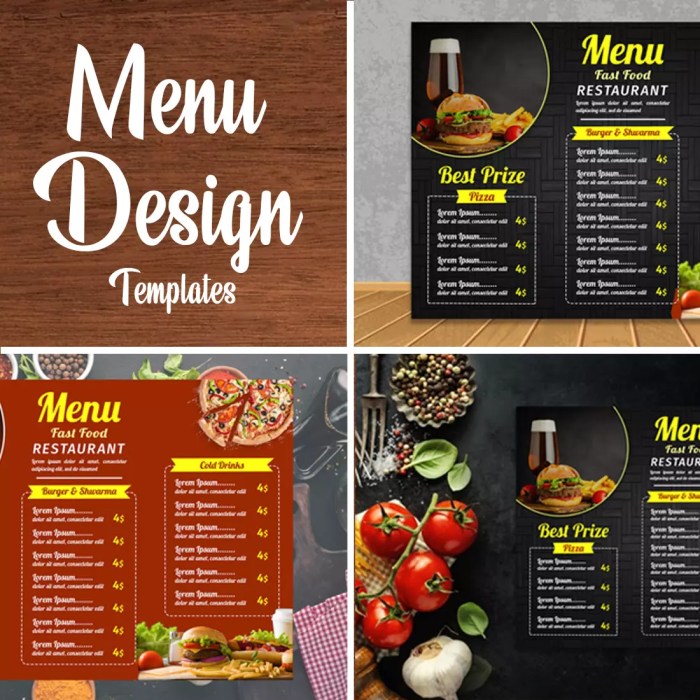
When it comes to menu design, the layout plays a crucial role in attracting customers and guiding them through the offerings. Here are some best practices to consider for an effective menu layout:
Importance of Typography
Typography is more than just choosing a font style; it's about creating a hierarchy that guides the eye and enhances readability. Here are some tips for using typography effectively in menu design:
- Choose legible fonts that reflect the restaurant's brand and vibe.
- Use font sizes and weights to differentiate between sections and highlight key items.
- Avoid using too many different fonts that can confuse customers.
- Ensure proper spacing between lines and sections for easy reading.
Tips for Organizing Items
Organizing items on a menu can impact how customers navigate through the options and make decisions. Here are some tips for organizing items effectively:
- Categorize items logically, such as appetizers, entrees, and desserts, for easy navigation.
- Highlight popular or signature dishes to draw attention and guide customer choices.
- Use symbols or icons to indicate special dietary options or popular items.
- Consider the flow of the menu from starters to mains to desserts for a seamless dining experience.
Role of Color Schemes and Imagery
Color schemes and imagery can enhance the overall aesthetics of a menu and influence customer perception. Here's how to leverage color and imagery effectively:
- Choose colors that complement the restaurant's branding and create a cohesive look.
- Use color to highlight specials or call attention to certain sections of the menu.
- Incorporate high-quality images of food items to entice customers and provide visual representation.
- Avoid overwhelming the menu with too many colors or images that may distract from the food offerings.
Menu Design Trends
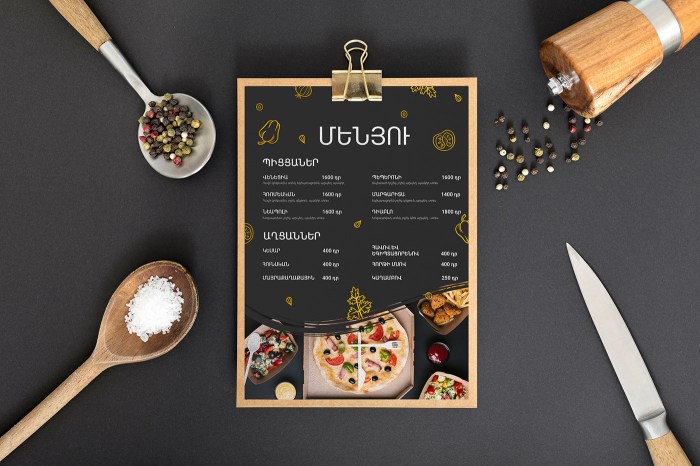
In the ever-evolving world of menu design, staying current with the latest trends is crucial to capturing the attention of diners. Let's delve into some of the prominent menu design trends shaping the industry today.
Minimalistic Design
In recent years, minimalistic menu design has gained popularity for its clean and sophisticated look. Minimalistic menus focus on essential information, use ample white space, and feature simple typography, creating a visually appealing and easy-to-read layout.
Eco-Friendly Approach
With the increasing emphasis on sustainability and eco-conscious practices, many restaurants are opting for eco-friendly menu designs. This trend involves using recycled materials, vegetable-based inks, and digital menus to reduce paper waste and environmental impact.
Impact of Technology
Technology has significantly influenced menu design trends, with the rise of digital menus, QR code ordering, and interactive displays. These innovations enhance the dining experience, provide dynamic menu updates, and cater to tech-savvy customers looking for convenience and efficiency.
Future Directions
Looking ahead, menu design is likely to continue evolving to meet changing consumer preferences. Personalized menus tailored to individual tastes, augmented reality features for interactive menus, and sustainable practices will shape the future of menu design, catering to a more diverse and environmentally conscious customer base.
End of Discussion
As we wrap up our exploration of menu design, it becomes evident that a well-thought-out menu is more than just a list of dishes—it's a reflection of a restaurant's identity and a tool for enhancing the dining experience. By understanding the impact of design choices, implementing best practices, and staying updated on trends, restaurateurs can create menus that not only entice customers but also elevate their overall brand image.
Cheers to the art of menu design and the endless possibilities it offers in the culinary world.
Key Questions Answered
How does menu design influence customer experience?
Menu design sets the tone for a dining experience, impacts ordering decisions, and reflects a restaurant's branding.
What are some key elements that make a menu visually appealing?
Fonts, colors, imagery, and layout all contribute to the visual appeal of a menu.
What are some best practices for organizing items on a menu?
Group similar items together, use clear headings, and consider the flow of how customers read a menu.
How do current trends in menu design impact the restaurant industry?
Current trends like minimalistic designs and eco-friendly approaches influence how restaurants present their offerings and connect with customers.