
Embark on a journey through the realm of design drawing, where creativity meets precision to shape ideas into reality. This introduction sets the stage for a captivating exploration of the art and science behind this essential aspect of design.
Delve into the various types, tools, and techniques that define design drawing, uncovering the nuances that distinguish exceptional creations from the ordinary.
Introduction to Design Drawing
Design drawing is a fundamental aspect of the design process that involves visually communicating ideas, concepts, and solutions. It serves as a bridge between imagination and realization, allowing designers to explore, refine, and convey their creative vision in a tangible form.Design drawing plays a crucial role in the creative process by facilitating brainstorming, problem-solving, and decision-making.
It helps designers to visualize their concepts, communicate with clients and collaborators, and iterate on designs until they achieve the desired outcome.
Examples of Design Drawings
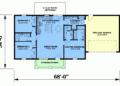
- Architectural Drawings: Floor plans, elevations, and sections that illustrate the layout, structure, and details of a building.
- Fashion Sketches: Drawings showcasing garment designs, silhouettes, and fabric details for clothing collections.
- Industrial Design Renders: Visual representations of product concepts, highlighting form, function, and materials.
- Graphic Design Mockups: Digital or hand-drawn layouts of websites, logos, packaging, and other visual communication projects.
- Landscape Design Plans: Maps and sketches outlining the arrangement of plants, pathways, and outdoor elements in a garden or public space.
Types of Design Drawings
In the field of design, various types of drawings are utilized to communicate ideas, concepts, and technical details. Each type serves a specific purpose and is crucial in the design process.
Conceptual Sketches
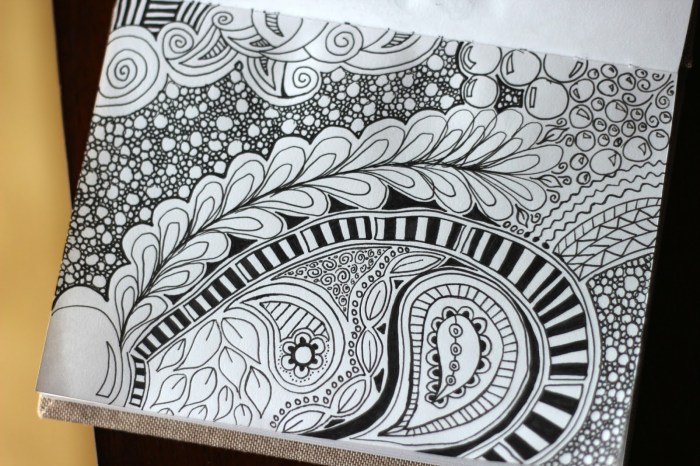
Conceptual sketches are quick, freehand drawings used to explore and visualize initial design ideas. These sketches are often rough and are used to brainstorm and communicate concepts before moving on to more detailed drawings. They are commonly used in the early stages of the design process to capture the essence of a design idea.
An example of a conceptual sketch would be a rough drawing of a logo design on a napkin.
Technical Drawings
Technical drawings, also known as engineering drawings, are precise and detailed illustrations that convey specific dimensions, materials, and construction methods. These drawings are essential for communicating how a design will be constructed or manufactured. Technical drawings are commonly used in architecture, engineering, and product design.
An example of a technical drawing would be a detailed floor plan of a building with measurements and annotations.
Wireframes
Wireframes are simplified, black and white layouts that Artikel the structure and functionality of a digital interface. These drawings focus on the placement of elements, such as buttons and text, without getting into visual design details. Wireframes are commonly used in web design and app development to plan the layout and user experience of a digital product.
An example of a wireframe would be a basic layout of a website showing the placement of navigation menus and content sections.
Tools and Techniques for Design Drawing
When it comes to design drawing, the tools and techniques used play a crucial role in bringing ideas to life. From traditional tools like pencils and markers to digital software such as Adobe Illustrator and AutoCAD, each tool has its own advantages and disadvantages in the design process.
Traditional Tools for Design Drawing
Traditional tools like pencils, markers, rulers, and erasers have long been staples in the world of design drawing. Pencils are used for sketching initial ideas, markers for adding color and depth, rulers for precision lines, and erasers for corrections. These tools offer a tactile experience and allow designers to have more control over their drawings.
Digital Tools for Design Drawing
In recent years, digital tools and software have revolutionized the way design drawing is done. Programs like Adobe Illustrator and AutoCAD allow for precise measurements, easy editing, and the ability to work on complex designs with layers and effects. These tools offer a level of efficiency and flexibility that traditional tools may not always provide.
Comparison of Traditional vs. Digital Tools
While traditional tools offer a hands-on approach and a sense of craftsmanship, digital tools excel in terms of speed, accuracy, and the ability to easily share and collaborate on designs. Traditional tools may require more time and effort for revisions, while digital tools allow for quick adjustments and experimentation.
However, some designers still prefer the tactile feel of traditional tools despite the convenience of digital options.
Best Practices for Effective Design Drawing
Effective design drawing is crucial for conveying ideas clearly and efficiently. Here are some best practices to keep in mind:
Create Clear and Communicative Design Drawings
- Use labels, annotations, and symbols to explain elements in the drawing.
- Ensure a logical flow and organization in the layout of the design drawing.
- Consider the audience and adjust the level of detail accordingly.
Importance of Accuracy and Attention to Detail
Design drawings need to be accurate to avoid confusion and misinterpretation. Attention to detail is key in ensuring that the final product matches the intended design.
Even small errors can have a significant impact on the outcome of a project.
Examples of Before-and-After Design Drawings
| Before | After |
|---|---|
| Unclear labels and messy lines | Clear labels, organized layout, and precise lines |
| Lack of annotations and explanations | Annotations providing context and explanations for elements |
Ending Remarks
In conclusion, design drawing emerges as a cornerstone of innovation and expression, bridging imagination with execution to transform visions into tangible masterpieces. Let the power of design drawing inspire your creative endeavors and elevate your design process to new heights.
FAQ Overview
What are the essential tools for design drawing?
Traditional tools like pencils, markers, and rulers are commonly used for design drawing, while digital tools such as Adobe Illustrator and AutoCAD offer advanced capabilities.
How important is accuracy in design drawing?
Accuracy is crucial in design drawing as it ensures clear communication of ideas and details, ultimately leading to successful design outcomes.
Can design drawing be used across different design disciplines?
Yes, design drawing is a versatile skill that finds applications in various design fields, from architecture to graphic design.