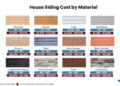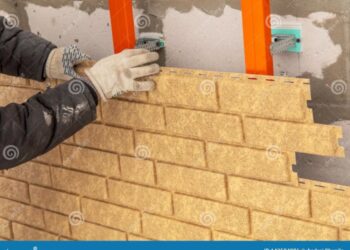

Exploring the realm of average siding cost per square, this comprehensive guide delves into the factors influencing pricing, common materials used, installation procedures, and regional cost comparisons. Whether you're a homeowner planning a renovation or a contractor seeking insights, this article has you covered.
Factors Affecting Siding Cost
When determining the cost of siding per square, several factors come into play that can significantly impact the overall price. These factors include the type of material used, the quality of the siding, installation complexity, geographic location, and seasonal demand.
Material Type
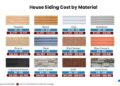
The material type chosen for siding can have a substantial impact on the cost per square. For example, vinyl siding is generally more affordable compared to premium options like fiber cement or natural wood. The durability, maintenance requirements, and aesthetic appeal of each material will also influence the overall cost.
Quality of Siding
The quality of the siding material selected can also affect the cost per square. Higher-quality siding options tend to be more expensive upfront but may offer better durability, longevity, and aesthetic appeal. Cheaper, lower-quality siding may result in more frequent repairs or replacements, ultimately costing more in the long run.
Installation Complexity
The complexity of the installation process can impact the overall cost of siding. Factors such as the size and shape of the property, the need for additional preparation work, and any customizations or trim details can increase the labor costs associated with the installation.
Geographic Location
The geographic location of a property can also influence siding costs. Prices can vary based on local labor rates, availability of materials, and even regional building codes or requirements. Areas with higher costs of living or stricter regulations may see higher siding prices.
Seasonal Demand
Seasonal demand can play a role in pricing variations for siding installation. Contractors may be busier during peak seasons, leading to higher labor costs. Additionally, certain materials or styles may be in higher demand at specific times of the year, affecting pricing.
Common Types of Siding Materials
Vinyl, wood, fiber cement, and metal are some of the most popular siding materials used in construction. Each material has its own unique characteristics, benefits, and drawbacks that can affect the overall cost of installation.
Vinyl Siding
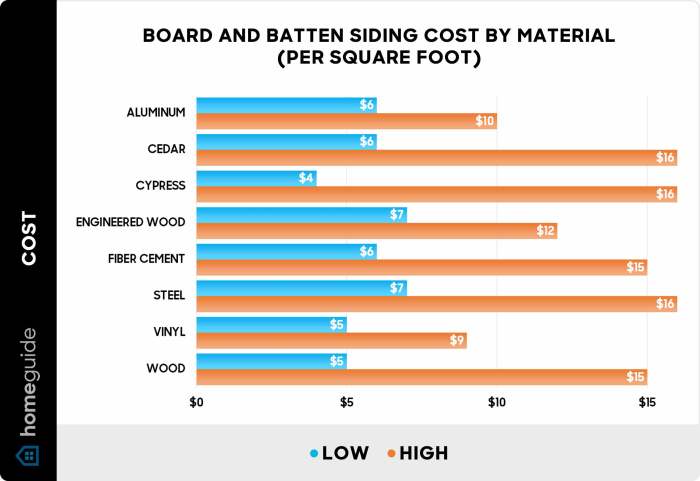
Vinyl siding is a cost-effective option that is easy to install and requires minimal maintenance. It comes in a variety of colors and styles, making it a versatile choice for homeowners. The average cost of vinyl siding per square ranges from $2 to $7.
Wood Siding
Wood siding offers a natural and classic look to a home, but it requires more maintenance compared to other materials. The average cost of wood siding per square is higher, ranging from $5 to $10. However, with proper care, wood siding can last for decades.
Fiber Cement Siding
Fiber cement siding is known for its durability and resistance to rot, fire, and pests. It is a low-maintenance option that can mimic the look of wood or stucco. The average cost of fiber cement siding per square falls between $5 to $12, making it a mid-range option in terms of pricing.
Metal Siding
Metal siding, such as aluminum or steel, is highly durable and weather-resistant. It is a long-lasting option that requires minimal maintenance. The average cost of metal siding per square is between $5 to $15, depending on the type of metal used.Overall, when choosing a siding material, it is essential to consider factors such as durability, maintenance requirements, and aesthetic appeal, in addition to the initial cost of installation.
Each type of siding material offers a unique set of benefits and considerations that can impact the overall look and longevity of a home.
Cost Comparison Across Regions
When it comes to the average siding cost per square, prices can vary significantly across different regions or states. Several factors contribute to these price variations, including labor rates, material availability, and local regulations.
Impact of Labor Rates
Labor rates play a crucial role in determining the overall cost of siding installation. Regions with higher labor costs will likely have higher average siding costs per square compared to areas with lower labor rates.
Material Availability and Local Regulations
The availability of siding materials can also impact pricing differences across regions. Areas where certain siding materials are scarce may lead to higher costs due to transportation and procurement expenses. Additionally, local regulations and building codes can influence the type of materials used, affecting overall pricing.
Urban vs. Rural Areas
Cost disparities between urban and rural areas are common when it comes to siding installation. Urban regions tend to have higher labor rates and stricter regulations, resulting in higher average siding costs per square. On the other hand, rural areas may have lower labor costs and fewer regulatory requirements, leading to more affordable siding prices.
Final Review
In conclusion, understanding the average siding cost per square is crucial for anyone involved in construction or renovation projects. By considering the various aspects discussed in this guide, you can make informed decisions and ensure a successful outcome for your siding project.
FAQ Explained
What factors can influence siding cost?
Factors such as material type, quality, installation complexity, geographic location, and seasonal demand can impact the average siding cost per square.
Which siding material is the most cost-effective?
Vinyl siding is often considered the most cost-effective option due to its affordability and low maintenance requirements.
How do labor costs affect the overall siding cost?
Labor costs play a significant role in determining the total cost of a siding project, alongside material costs and project size.
Are there significant cost differences between urban and rural areas?
Yes, urban areas tend to have higher labor rates and stricter regulations, leading to higher overall siding costs compared to rural areas.