
Embark on a journey through the intricate world of interior design inside a house, where creativity meets functionality to create stunning living spaces. From different styles to room organization, this topic covers it all.
Delve deeper into the nuances of furnishing, decor, room functionality, and architectural elements that shape the ambiance and layout of a house.
Different Styles of Interior Design
When it comes to interior design, there are various styles that can be incorporated into a house to create a unique and personalized space. Each style has its own characteristics and elements that define it, ranging from minimalist and modern to traditional and eclectic.
Minimalist Style
The minimalist style focuses on simplicity, clean lines, and a neutral color palette. Rooms are often free of clutter and decorations are kept to a minimum to create a sense of calm and tranquility. Examples of minimalist interior design trends include sleek furniture, monochromatic color schemes, and functional design elements.
Modern Style
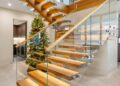
Modern interior design is characterized by a sleek and streamlined look, often incorporating industrial materials such as metal and glass. Popular trends in modern design include open floor plans, large windows to let in natural light, and bold accent colors to add personality to the space.
Traditional Style
Traditional interior design is classic and timeless, featuring elegant furniture, rich colors, and ornate details. Rooms are often arranged symmetrically and incorporate antiques or heirloom pieces for a sense of history and warmth. Examples of traditional design trends include luxurious fabrics, intricate patterns, and formal furniture arrangements.
Eclectic Style
Eclectic interior design blends different styles, periods, and textures to create a unique and eclectic look. This style celebrates individuality and creativity, allowing for a mix of colors, patterns, and decor elements. Popular trends in eclectic design include mixing vintage and modern pieces, incorporating bold artwork, and layering textures for visual interest.
Color Schemes
Color schemes play a crucial role in interior design, setting the mood and atmosphere of a space. Warm colors like red, orange, and yellow can create a cozy and inviting feel, while cool colors like blue, green, and purple evoke a sense of calm and serenity.
Neutral colors such as white, beige, and gray are versatile and timeless, allowing for flexibility in design choices.
Furnishing and Decor
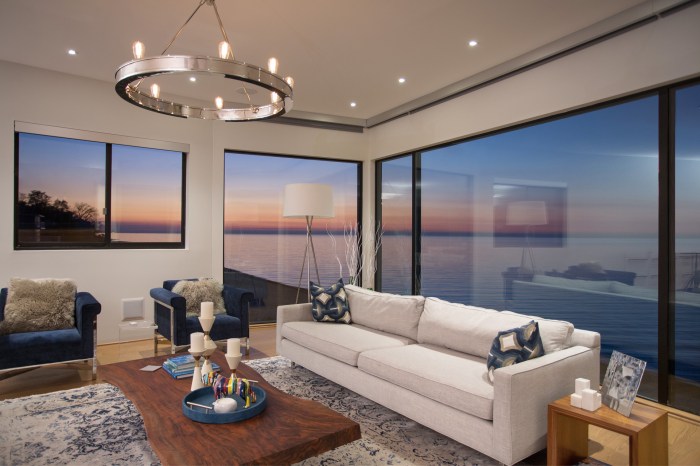
When it comes to furnishing and decor, the way you arrange your furniture can have a significant impact on maximizing space inside a house. Choosing the right decor elements is crucial in enhancing the interior of a house, while proper lighting plays a key role in creating the desired ambiance.
Maximizing Space with Furniture Placement
Efficient furniture placement can help make a room feel more spacious and functional. Here are some tips to maximize space:
- Consider the scale of the furniture in relation to the room size to avoid overcrowding.
- Opt for multi-functional pieces like a storage ottoman or a sofa bed to save space.
- Create a focal point in each room and arrange furniture around it to establish a sense of balance.
- Utilize vertical space by incorporating shelves or hanging decor to free up floor space.
Choosing the Right Decor Elements
The decor elements you choose can significantly impact the overall look and feel of your home. Here are some tips for selecting the right decor elements:
- Consider the color scheme and choose decor that complements the existing palette of the room.
- Mix textures and patterns to add depth and visual interest to the space.
- Incorporate personal touches like family photos or souvenirs to make the space feel more inviting and unique.
- Balance out decorative elements by incorporating a mix of large and small pieces throughout the room.
Importance of Lighting for Ambiance
Lighting plays a crucial role in setting the mood and ambiance within a house. Here are some key points to consider:
- Utilize a mix of lighting sources such as overhead lights, floor lamps, and task lighting to create layers of light in a room.
- Adjust the lighting intensity based on the function of the space - bright for work areas and soft for relaxation zones.
- Consider the natural light available in each room and strategically place mirrors to reflect light and make the space feel brighter.
- Use dimmer switches to control the brightness level and create different atmospheres depending on the time of day or activity.
Room Functionality and Organization
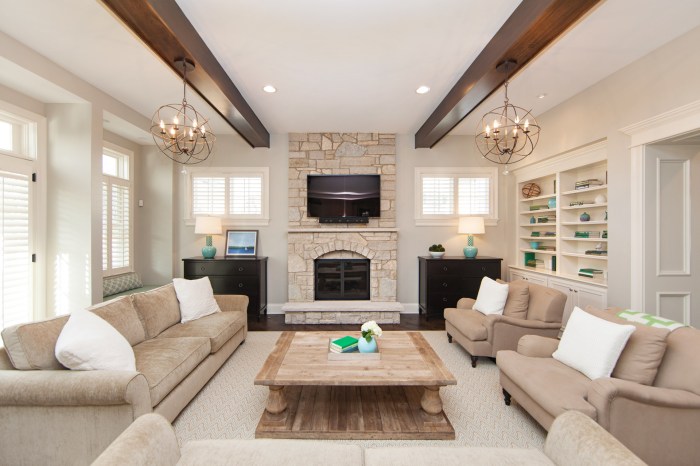
Creating a functional and organized space within a house is essential for maintaining a sense of order and harmony. By strategically organizing and decluttering different rooms, you can optimize the use of space and enhance the overall functionality of your home.
Organizing and Decluttering Strategies
- Start by decluttering each room, getting rid of items that are no longer needed or used.
- Implement storage solutions such as baskets, bins, and shelves to keep items organized and easily accessible.
- Utilize vertical space by installing wall-mounted shelves or hooks to maximize storage options.
- Assign specific purposes to different areas within a room to create designated zones for different activities.
- Regularly reassess the items in each room to ensure that they are still relevant and useful, purging as needed to prevent clutter from accumulating.
Creating Multi-Functional Spaces
- Choose furniture pieces that can serve multiple purposes, such as a sofa bed or a coffee table with storage compartments.
- Use room dividers or area rugs to delineate different sections within a room, allowing for versatile use of the space.
- Consider incorporating foldable or collapsible furniture that can be easily stored away when not in use.
Optimizing Storage Solutions
- Maximize closet space by using organizers like hanging shelves, shoe racks, and storage bins.
- Utilize under-bed storage containers to make use of otherwise wasted space and keep items out of sight.
- Install built-in cabinets or shelving units to provide ample storage without taking up valuable floor space.
- Label storage containers and shelves to ensure that items are easy to locate and maintain organization.
Architectural Elements and Layout
When it comes to the interior of a house, architectural elements such as windows, doors, and flooring play a crucial role in defining the overall look and feel of the space. These elements not only impact the aesthetics but also contribute to the functionality and comfort of the house.
Impact of Architectural Elements
Windows allow natural light to enter the house, creating a bright and airy atmosphere. The size, placement, and style of windows can greatly influence the mood of a room. Similarly, doors not only provide access to different areas but also act as a design element.
The choice of flooring, whether hardwood, tiles, or carpet, can affect the visual appeal and acoustics of a room.
Significance of Layout Planning
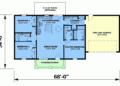
Layout planning is essential for maximizing the functionality of a house. A well-thought-out layout ensures that each space is utilized efficiently and that there is a smooth flow between rooms. Considerations such as traffic patterns, furniture arrangement, and accessibility need to be taken into account during the planning process.
Cohesive Design Between Areas
Creating a cohesive design between different areas inside a house involves maintaining a consistent style, color palette, and theme throughout the space. This helps in establishing a sense of harmony and balance. Transition spaces like hallways and corridors play a key role in connecting different rooms and should be designed in a way that complements the overall aesthetic.
Last Point
As we conclude this insightful discussion on house interior design, remember that the key to a well-designed home lies in the blend of style, functionality, and personal taste. Let your creativity flow and transform your house into a sanctuary of beauty and comfort.
Questions and Answers
How important is lighting in interior design?
Lighting plays a crucial role in setting the ambiance and mood of a house interior. It can highlight design elements and create a cozy atmosphere.
What are some popular interior design styles for houses?
Popular interior design styles include modern, traditional, Scandinavian, industrial, and minimalist, each offering a unique aesthetic appeal.
How can I maximize storage space in my house?
Optimizing storage solutions such as built-in cabinets, under-bed storage, and multifunctional furniture can help keep your house organized and clutter-free.